
Cornus florida (Dogwood): Meaning, Symbolism, and Botanical Facts
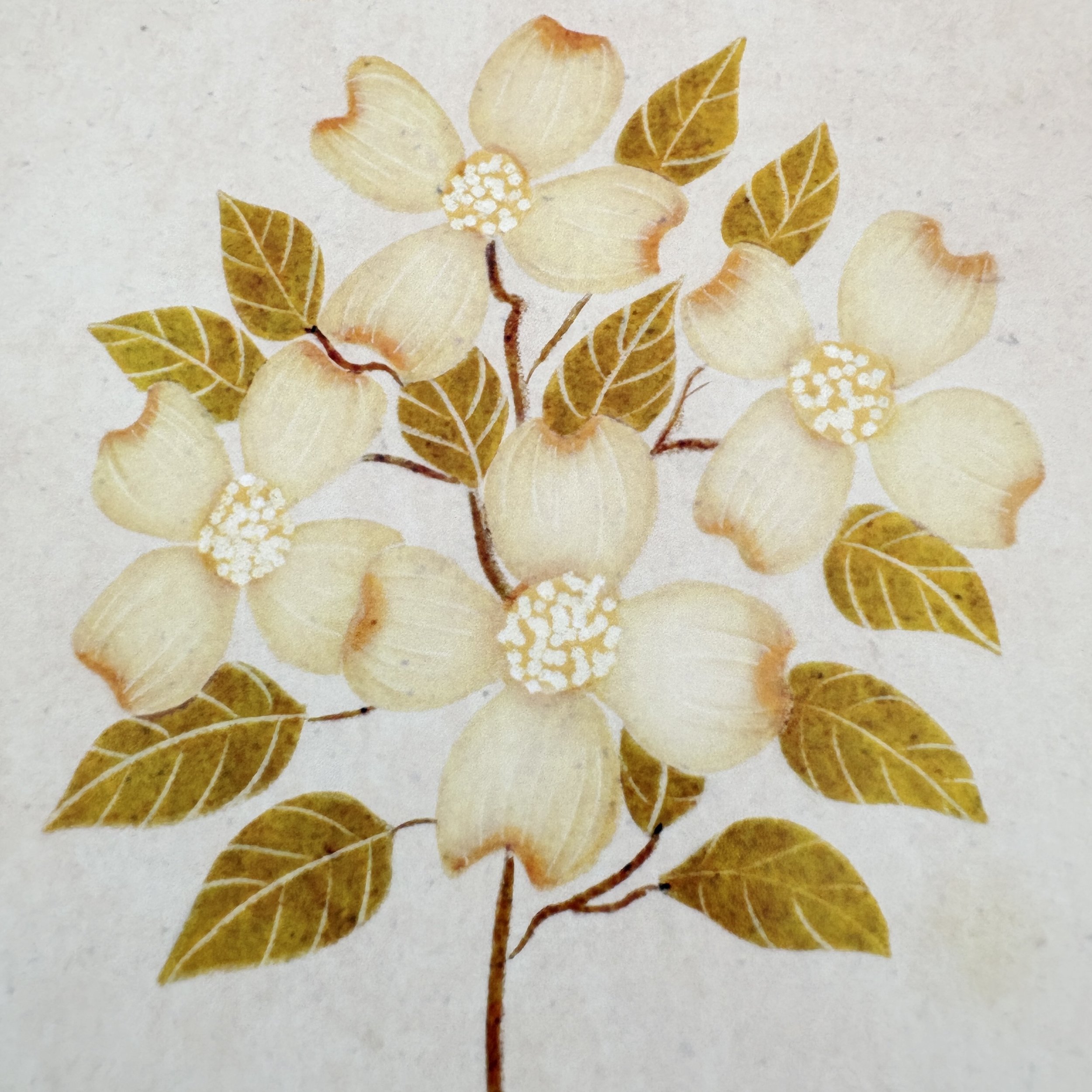
Quick Facts
Scientific Name: Cornus florida
Common Name: Flowering Dogwood
Plant Type: Deciduous flowering tree
Native Range: Eastern North America
Bloom Colors: White, pink, red
Typical Height: Up to 40 feet
Lifespan: Up to 80 years
Notable Traits: Dense hardwood, resilient growth, ornamental spring blossoms
Cornus florida
Dogwood
In 1915, Washington, D.C. gifted 40 dogwood saplings to Japan in exchange for the cherry blossom trees that had been sent to the United States, where all but one reportedly survived. A century later, in celebration of this enduring exchange, 3,000 more dogwood saplings were gifted to Japan, commemorating how shared gestures can soften strained ties.
Dogwood trees are known for their resilience. With tough bark historically used to treat mange in dogs (possibly the origin of the name), and dense hardwood valued for tools like mallets, golf clubs, and jewelry boxes, dogwood is as practical as it is ornamental. They bloom in white, pink, or red clusters and can grow up to 40 feet tall, living as long as 80 years, even through rough conditions.
Botanical Description
The flowering dogwood is a small to medium deciduous tree recognized for its distinctive spring display. What appear to be petals are actually bracts surrounding a cluster of tiny flowers at the center. These showy bracts range from white to soft pink or deep red, giving the tree its iconic look in early spring.
Its wood is exceptionally dense and durable, historically used for small tools and objects requiring strength and precision. The bark, once used in traditional remedies for canine mange, may have contributed to the tree’s common name.
Dogwood trees thrive in woodland edges and partially shaded environments, where they can withstand seasonal stress while maintaining steady growth and longevity.
Symbolism and Reflection
The dogwood appears when financial strain is testing a relationship. Unlike hardship caused by greed or deception, this strain may stem from dignity: a partner feeling inadequate or ashamed for not being able to provide the lifestyle they believe their loved ones deserve.
This unspoken burden can quietly turn into debt, tension, or resentment.
In an otherwise healthy relationship, open communication and compassion can uncover root causes that help partners move forward stronger.
If you're struggling with your financial partner’s spending, try to understand the emotional undercurrent behind it before casting blame. These decisions may be rooted in a desire to prove worth or provide value, even if the means are unsustainable.
Take time together to review your finances, obligations, and expectations with honesty. Reaffirm what truly matters. Even in times of struggle, love and respect carry more weight than material success.
Dignity is a powerful emotion that masks deep insecurity. In trying to protect it, you may create the very instability you fear.